The final boss is dead. The credits roll. The music lands exactly right. I am sitting there with that rare, lovely feeling that a game knew what it wanted to say.
Then the screen flashes: Endgame unlocked.
There are twelve new currencies, three weekly objectives, a prestige track and a vendor who needs me to repeat the same dungeon until my personality becomes a drop-rate spreadsheet. Amazing. The ending was apparently a tutorial with better lighting.
I am tired of games treating the finish line like a customer retention emergency.
A finale should not feel like onboarding
A good ending changes how you remember everything before it. The last fight, the final choice or even a quiet walk toward the credits can give the whole journey a shape. That shape gets weird when the game immediately hands you a fresh checklist and starts pitching eternity.
The problem is not extra content. New Game Plus is extra content. Optional bosses are extra content. A post-game area that answers a lingering question can be brilliant. The problem is the mandatory-feeling treadmill, built less like an encore and more like a hotel corridor with no exit signs.
You know the corridor. Enemies gain more health. Gear numbers grow another digit. Materials become "refined" materials, then "ascendant" materials, because apparently the rocks also need career progression. The game stops giving you new situations and starts asking whether you are willing to repeat old ones more efficiently.
Some players love that optimisation puzzle. Fair. But every campaign does not become better when somebody bolts a treadmill to its ending.
The grind starts leaking backward
Endgame design does not stay politely behind the credits. It changes the main game too.
Loot needs tiers. Builds need upgrade paths. Activities need repeatable rewards. Menus need room for seasonal tabs, challenge tracks and currencies that will matter later. Suddenly the campaign is not allowed to give you the cool thing outright because the cool thing has been reserved as a reward for hour 63.
That can make the first playthrough feel stingy. Instead of finding a strange weapon and immediately causing trouble with it, you find a slightly better number attached to the same weapon silhouette. Instead of mastering a compact set of systems, you spend hours waiting for the "real game" to begin. This is a terrible sales pitch made somehow normal: please enjoy thirty hours of foreplay before the buildcraft gets interesting.
Worse, the story begins serving the loop. A villain cannot simply be defeated if next season needs them back at the mission terminal. A mystery cannot fully close if the roadmap needs another content beat. Death gets reversible. Victories get temporary. Every dramatic full stop is quietly replaced with an ellipsis and a shop refresh.
There are endgames worth living in
Now for the part where I disappoint the outrage algorithm: long-tail games can absolutely cook.
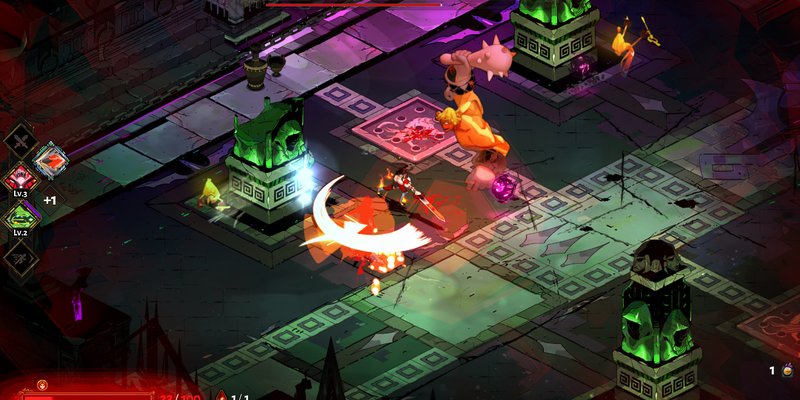
Monster Hunter makes repetition meaningful because learning the monster is the game. A hunt changes as your weapon knowledge improves, your timing sharpens and your group stops carting to the same extremely telegraphed attack. Diablo works best when building the character is more interesting than merely finishing the campaign. Hades folds repeated runs into its story, so returning is not busywork pasted over the ending. It is the structure.
These games do not need an endgame costume. Their central systems naturally support obsession. Players return because the combat keeps revealing details, the social routine is fun or a new build changes how familiar encounters feel.
There is also something genuinely comforting about having a main game. Logging in with the same friends every Thursday, chasing one absurd item and slowly getting cleaner at a difficult encounter can become a proper ritual. I would never ask for that to disappear.
I just want games to earn that relationship instead of demanding it.
Playtime is not proof of affection
A hundred hours on the clock can mean "I adore this." It can also mean "the crafting material only drops on Tuesdays." Those are not the same review.
Retention systems blur the distinction because they are very good at turning mild interest into habit. Daily bonuses punish absence. Expiring passes make other games feel like irresponsible purchases. Limited events arrive when you were planning to play something else. The game stops asking whether you are having fun and starts checking attendance.
Yes, adults can close the application. Personal responsibility did not get patched out. But design still matters. Casinos do not become neutral rooms because customers know where the door is, and games do not get a free pass when their menus are built around anxiety rather than delight.
The cost is not only burnout. Forever games crowd out smaller ones. When two live services both want five evenings a week, trying a strange six-hour indie starts to feel like neglecting chores. That is grim. A hobby should create curiosity, not guilt about an imaginary shift you failed to clock.
Let the good thing be finished
Developers should be able to make a game that lasts fifteen hours, ends decisively and never asks for another minute. Players should be able to love it without translating that love into months of active-user statistics.
If the combat has enough depth for another five hundred hours, build the wild endgame. Give the dedicated players monsters, raids, difficulty tiers and ridiculous hats. I support their magnificent spreadsheet cave.
But if the campaign has reached its natural end, roll the credits and mean it. Do not send the villain back to work. Do not turn the final dungeon into a weekly errand. Do not make the last emotional scene compete with a pop-up announcing Season Zero.
Sometimes the best reward for finishing a game is being finished.